


Folding Tents Above & Beyond
How do I choose a wind-resistant folding tent?
Why wind resistance matters
In Belgium, the weather can shift quickly — sunshine, rain and wind all in one day is not unusual. If you invest in a folding tent, you want it not only to look good but also to remain safe and stable when the wind picks up.
Our folding tents are available in two series: AluLite and AluForce. AluLite is ideal for private and occasional use, while AluForce is designed for professional, intensive use and maximum stability. Combined with the right accessories, both series perform far better than standard DIY party tents.
Start by choosing the right frame and profile
A wind-resistant folding tent starts with a strong aluminium structure. The wider and more robust the profile, the better the forces are distributed during wind gusts.
Avoid extremely lightweight frames if you use the tent frequently or leave it up for longer periods. A professional-grade profile will not bend, reduces vibrations and significantly extends the lifespan of your tent.

Weight and ballast for extra stability
A tent that weighs very little is easy to carry, but often less stable in windy conditions. Professional folding tents have more inherent weight and can be easily reinforced.
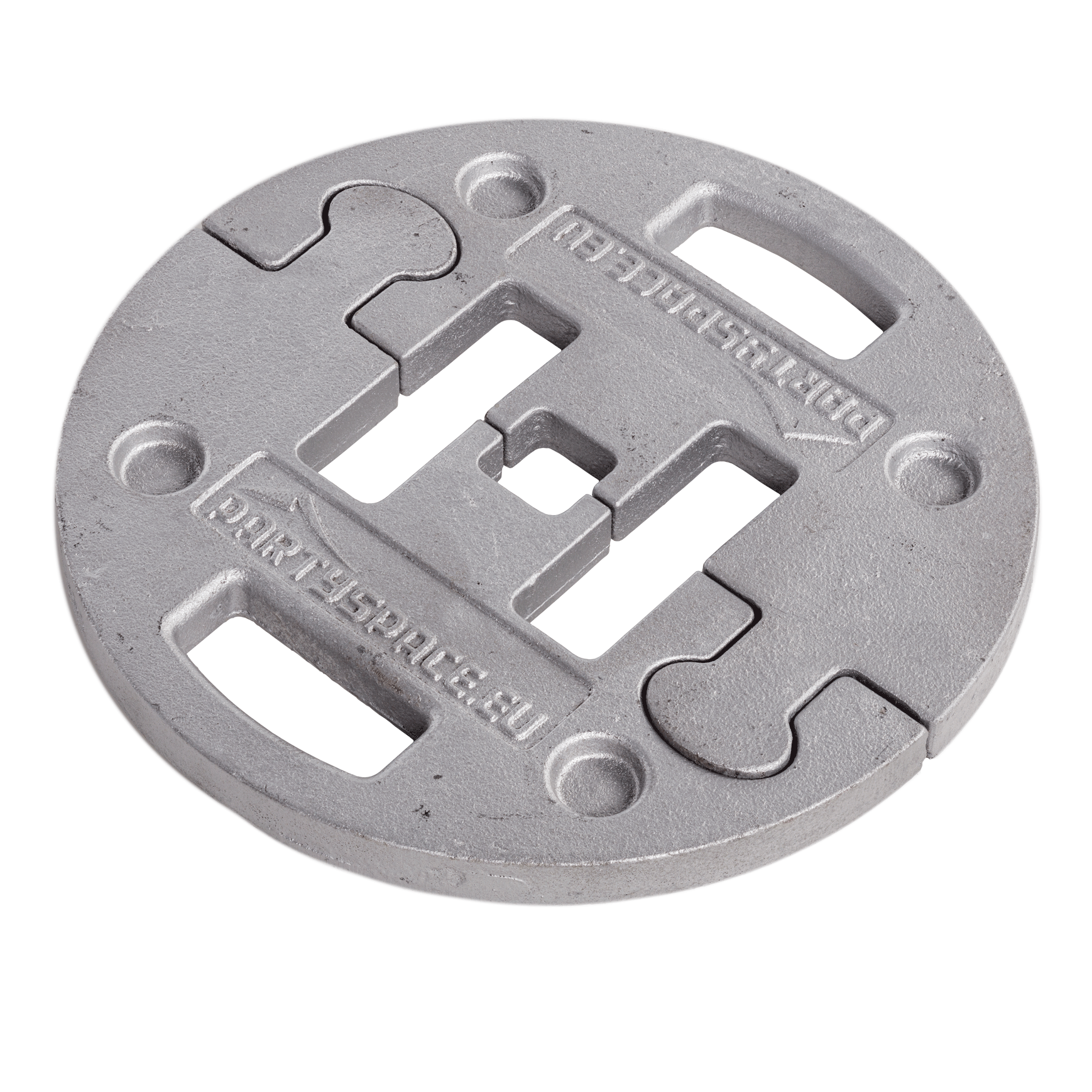
Using concrete weights or floor plates ensures the legs are firmly secured, even on hard surfaces. With jute covers, you can also conceal the ballast in an aesthetically pleasing way.
A high-quality roof fabric and reinforced corners
The roof fabric plays a major role in wind resistance. A stronger fabric with reinforced corners and seams stays under tension more effectively and is less likely to tear.
Choose a roof fabric that can be tensioned tightly so no “sails” form that could catch the wind. A slight slope also ensures that rainwater does not accumulate on top of the tent.

Using sidewalls effectively against wind and rain
Adding sidewalls makes your folding tent more comfortable and sheltered. They block wind, reduce drafts and protect against horizontal rain.
Our sidewalls are fully closable and securely attached to the structure, preventing them from flapping in the wind.
Anchoring with storm straps and ground pegs
Even the best folding tent needs proper anchoring to remain safe and stable. Storm straps and solid ground pegs make all the difference.
Note: a storm set can only be used on a soft surface, such as grass or soil. On hard surfaces (concrete, paving stones, asphalt), you must always use weights or other ballast solutions.
Always use all designated attachment points and tighten the straps properly. This distributes the forces evenly and keeps the tent stable, even when the wind increases unexpectedly.




Consider usage frequency and location
Do you use your folding tent occasionally for a garden party, or weekly for markets and events? The more intensive the use and the more exposed the location, the more important a professional level of wind resistance becomes.
It is often better to invest in a higher segment from the start if you plan to use your tent frequently: it is safer, more durable, and more cost-effective in the long run.

Conclusion: a folding tent ready for Belgian winds
A wind-resistant folding tent combines a strong aluminium frame, sufficient weight, high-quality roof fabric, sidewalls and a well-designed anchoring system. With the right configuration, you can enjoy a safe and professional setup at any event.
Not sure which folding tent is best suited for your location? Contact Above & Beyond and get tailored advice from our specialists.


